
Madrasatul QuranAn Ideal Integration of Islamic and General Education


- 50/50Islamic and generalequal weight
- Day-care hifzwith general study
- Arabic languageIslamic studies from Class 6 in arabic language
- 300+ hadith by heartgoal: by Class 9
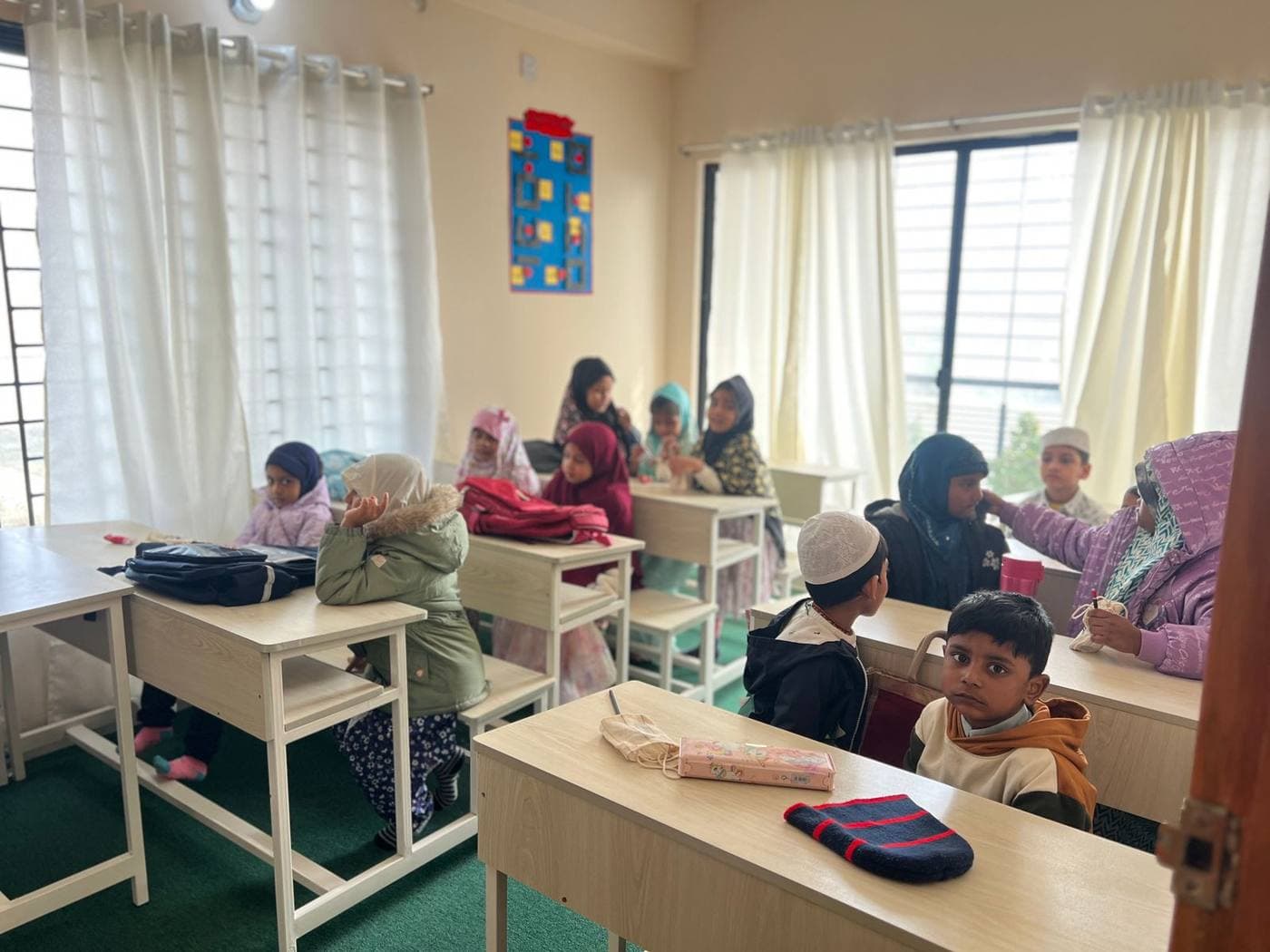
- Students
- 150+
- Teachers
- 25+
- Teachers to students, roughly
- 1:6
The education model50-50: Islamic and general education, given equal weight
An education where the curriculum, syllabus and daily routine give Islamic and general education equal weight.
Nursery to Class 1Madrasa day: 9:00 am to 1:00 pm
- Quran 25%
- Arabic 25%
- General 50%
Nursery to Class 11, in three stages
Our main aim is a strong foundation by secondary level, so a student is fully prepared to succeed at a madrasa or at college.
The 10-year study plan
Class 1 to Dakhil, with full or partial hifz. Nursery, KG and Class 11 are shown too.Arabic and Islamic studies books from Nursery to Class 8 are written by Al Quraner Vasha Institute (AQVI). Islamic studies are taught in Arabic from Class 6.
The full class-by-class planA day in hifz day-care
From 7:00 am to 8:30 pm, meals included, under full-day supervision. Alongside the Quran: Arabic, Islamic studies and general classes every day, a midday rest, and play after Asr.
Morning
- 7:00Sabaq and sat sabaqSabaq: the new lesson. Sat sabaq: the last few days’ lessons.
- 8:30Breakfast
- 9:00Sat sabaq, amukhta preparation and mashqAmukhta: revising earlier lessons.
Midday
- 10:00Arabic, Islamic studies and general classesTwo and a half hours, every day
- 12:30Salat, shower, lunch and a napUntil 2:45
Afternoon
- 3:00Amukhta, tilawat and nazera of the new sabaqUntil Asr
- After AsrPlay
Evening and night
- EveningAdhkar and Maghrib salat
- After MaghribMemorising the new sabaq
- 8:20Isha salat
- 8:30Home time
Morning times stay the same all year. Afternoon and evening study follows the salat times, so in winter some afternoon study moves to the evening. Home time is always 8:30 pm.
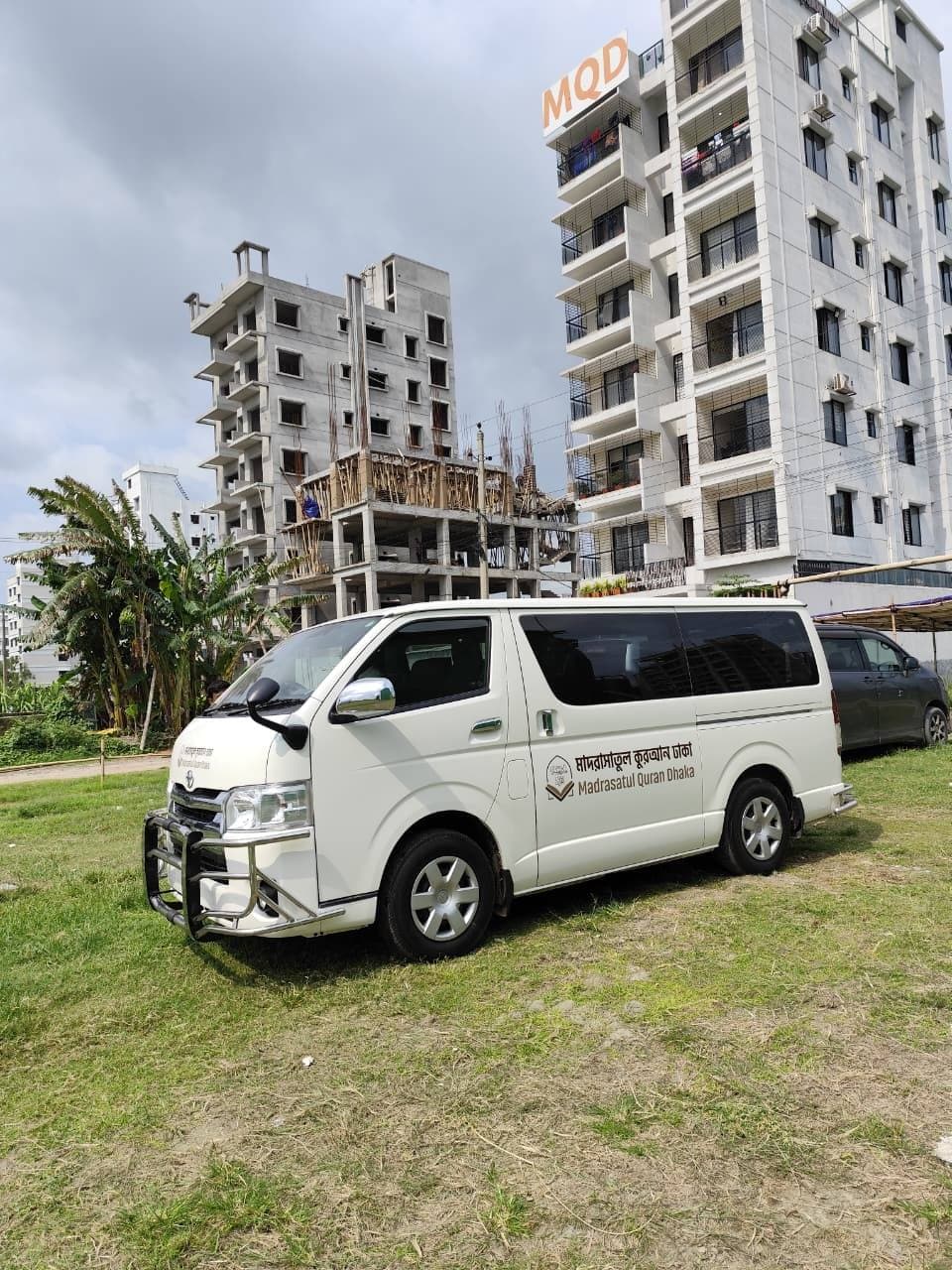
Madrasa transport
Experienced drivers and a responsible attendant on every ride.
- House Building
- Sector 7
- Sector 11
- Sector 13
- Khalpar
- Madrasatul Quran
- Jashim Uddin Road
- Sector 14
- Sector 12
- Sector 15
- Madrasatul Quran
- Sector 18
- Madrasatul Quran
- Mirpur 10
- Mirpur 13
- Mirpur 11
- Kalshi
- Shagufta
- Mirpur DOHS
- Madrasatul Quran
- Rupnagar R/A
- Pallabi
- Mirpur 11.5
- Mirpur 12 (B/C block)
- Madrasatul Quran
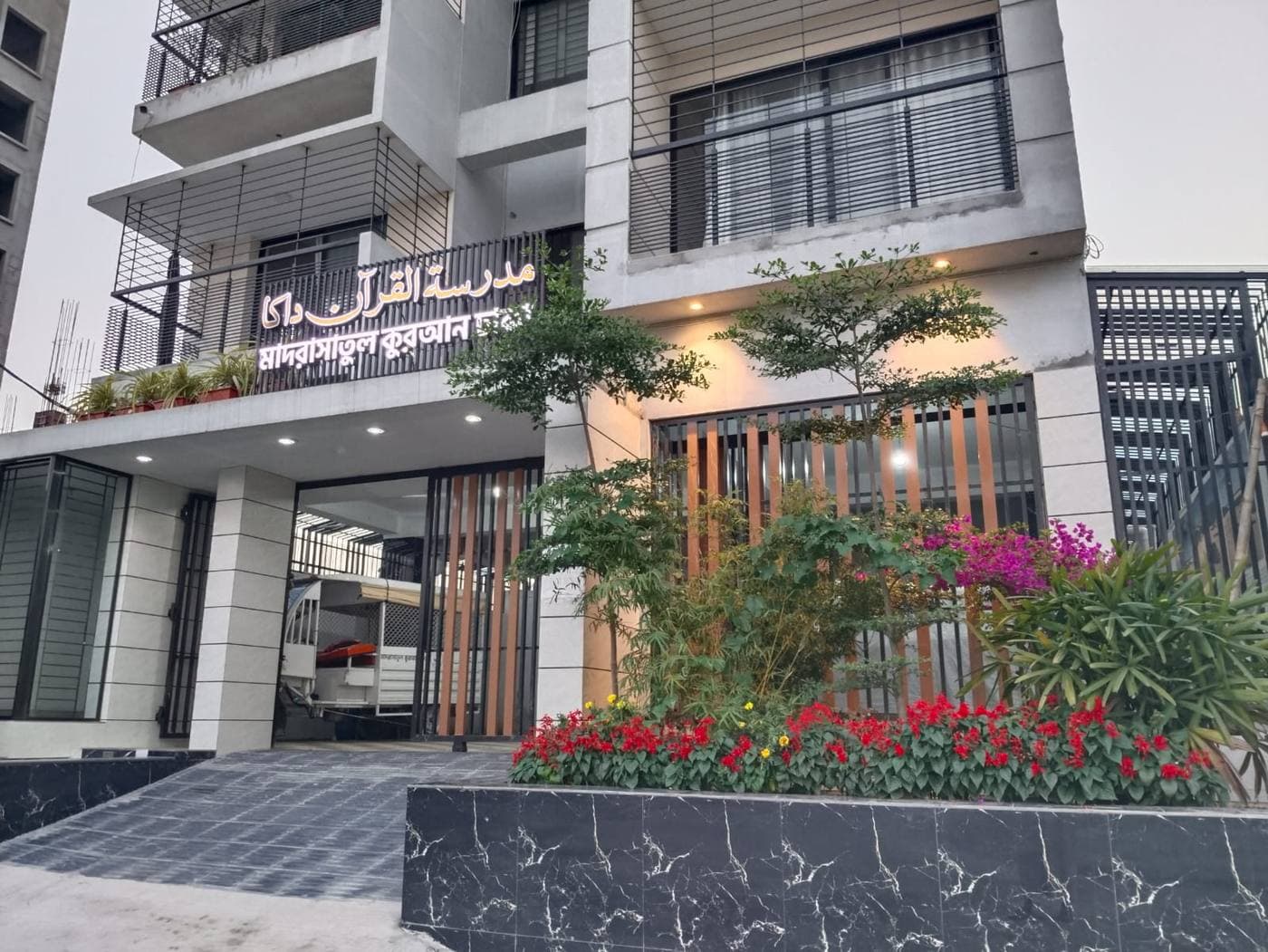
The campus
One building in Sector 17, Uttara. Boys play on the field next door, girls in the rooftop garden.
Room to play

Girls: the rooftop gardenOn the roof of the madrasa building

Boys: the field next doorBeside the madrasa building
Where to find us
House 37, Road 2/A, Block-I, Sector 17, Uttara, Dhaka
600 m from Uttara Center Metrorail Station · 3 km from Uttara south metro station · 2.5 km from Mirpur DOHS
3–4 minutes on foot from the metro
- 1From Uttara Center station, walk south on the east side of Ahmed Sofa Sarani.
- 2Turn left into the road by Water Park Restaurant. At the restaurant's corner turn left, then right onto Road 11.
- 3Go east on Road 11 and take the first right. The madrasa gate is on your right.
Via Avenue 1from Uttara North and Sector 15
- 1From the roundabout on Ahmed Sofa Sarani, go east on Avenue 1.
- 2Turn right onto Road 8 and go south to Baitul Aman Mosque.
- 3Turn right onto Road 11, then take the first left. The madrasa gate is on your right.
Via Avenue 7from Mirpur DOHS and Mirpur 12
- 1From Ahmed Sofa Sarani, go east on Avenue 7.
- 2Just past Bali Restaurant, turn left onto Road 8 and go north.
- 3Turn left at the road just before Road 11, then take the first right. The madrasa gate is on your left.
“Directions” opens the walking route from where you are in Google Maps.
Why Madrasatul Quran?
“With so many good Islamic schools, why did we think of Madrasatul Quran? A big reason: we could not find a Bangla-medium school that stressed Arabic and Islamic studies the way we wanted, alongside general education.”
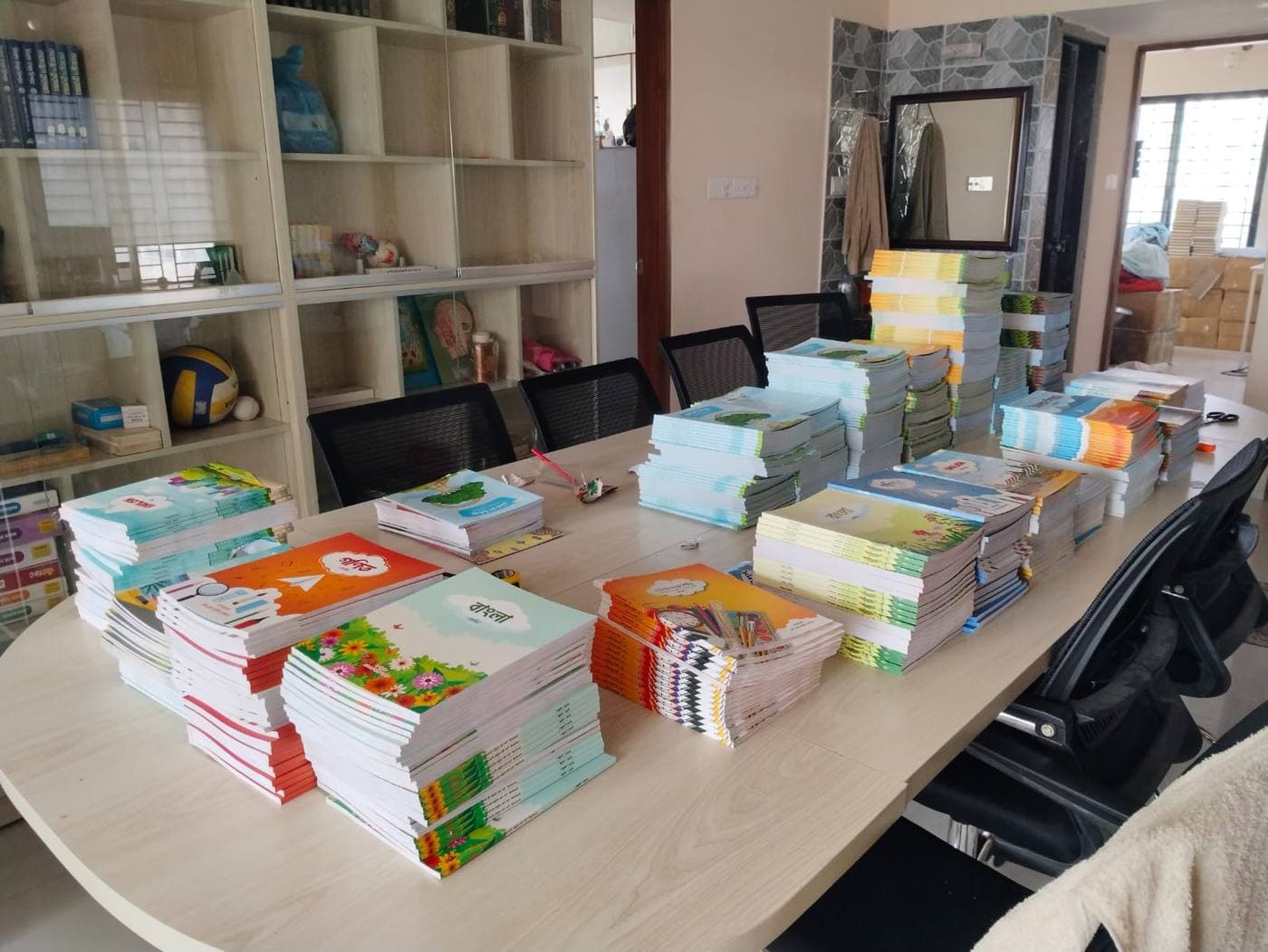
An ideal integration
Arabic and Islamic studies combined with general education.
Four language skills
Listening, speaking, reading and writing, in English and Arabic.
- 300+
Hadith by heartGoal
300+ hadith memorised by Class 9.
Islamic studies in Arabic
Taught in Arabic from Class 6.
Every door open
Dakhil after Class 8, then college or Mutawassita.
- 90%+
Quran translationGoal
The ability to translate 90%+ of the Quran by Dakhil.
Islamic history
Emphasis on the history of Islam and the Seerah.

Ethics and adab
The highest priority on Islamic ethics and manners.
From the founder
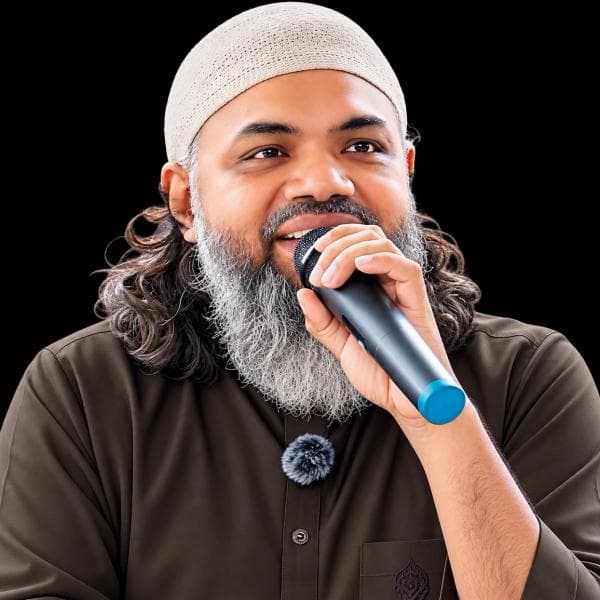
“Seeking knowledge is not optional. For success in this world and the Hereafter we must learn the Quran, Hadith and Islamic Shari’ah, and the knowledge of modern civilisation too.”
The main aim of this school is to give students the right knowledge of the Quran and Sunnah together with a modern education, so that each of our children grows up to be an exemplary person.
Notice board
The madrasa’s latest official notices: admissions, holidays, exams and events.
See all noticesQuestions parents ask
Anything else? Call the office: 01302-332244
At what age can a child start?
Nursery takes children from age 5, then one year per class: KG at 6+, Class 1 at 7+. The ten-year plan above lists every class.
How long is the hifz day-care day?
From 7:00 am to 8:30 pm, meals included, under full-day supervision. It covers Classes 2 to 5.
Does general study stop during hifz?
No. Bangla, English and maths continue through hifz, and science is added in Class 5. The balance is Quran 70%, Arabic 15%, general 15%.
What comes after hifz?
After Hifz runs from Class 6 to Mutawassita, with Dakhil in Classes 9 and 10. After Dakhil: Mutawassita or college.
Does the madrasa run its own transport?
Yes. Madrasa vans run on the Uttara and Mirpur routes.
What are the fees?
The full fee list is on the Admissions and fees page and in the prospectus.
Pre-admission 2027
6 days left, closes 15 November, 11:59 pm. The form takes about 15 minutes.
What you will need
- This application, printed (4 pages) and signed by the father and mother
- Photocopy of the birth certificate
- The original latest result card (if applicable)
- Passport-size photos: 2 of the student, 1 of the father
- Assessment fee ৳500 in cash